Ethiopian
Wonders
A curated collection of Ethiopia's most iconic destinations — where nature, history, and culture meet.


Explore by type
From iconic parks and historical sites to sustainable stays — find destinations, eco lodges, and places to stay that match how you want to travel.


Explore Ethiopia’s most remarkable destinations — from ancient rock-hewn churches and royal castles to volcanic landscapes and breathtaking mountain ranges.
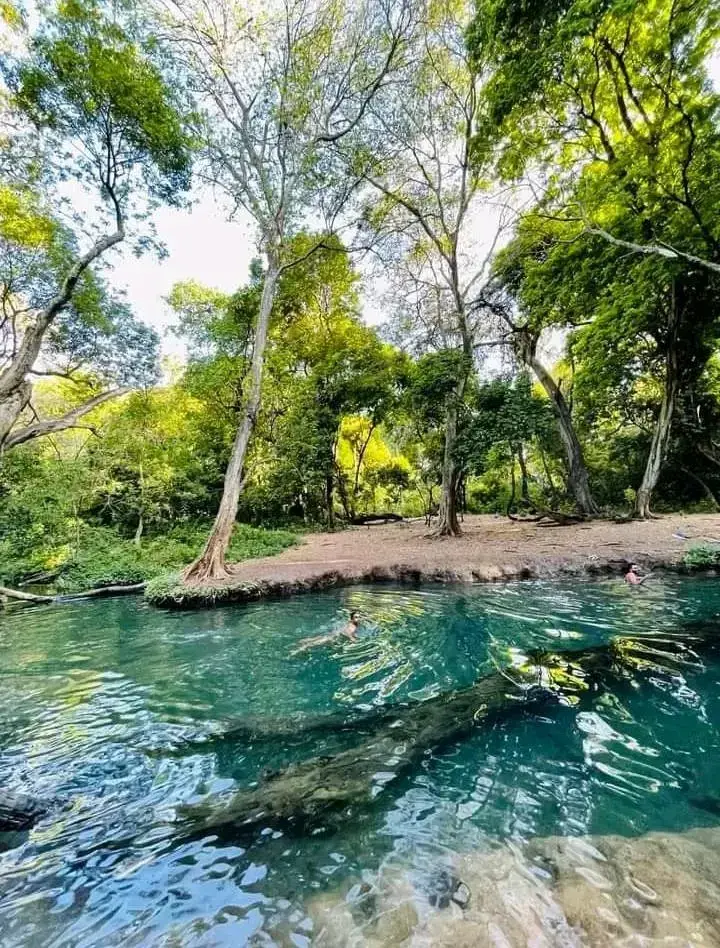
Arba Minch: City of Forty Springs
Arba Minch is a scenic city in southern Ethiopia, set between Lake Abaya and Lake Chamo on the western side of the Great Rift Valley. Its name, meaning “forty springs” in Amharic, reflects the many springs associated with the area and its surrounding groundwater forest. Nearby Nech Sar National Park protects a diverse landscape of grasslands, woodlands, wetlands, and lakes, while Lake Chamo is known for its Nile crocodiles, hippos, and birdlife. With its lakes, wildlife, forests, mountain views, and access to the cultural landscapes of southern Ethiopia, Arba Minch offers a varied introduction to the region.

Axum: Cradle of Civilization
Axum is one of Ethiopia's most important historic and religious destinations, known for the monumental stelae, royal tombs, ancient palace ruins, and churches that reflect the legacy of the Aksumite Kingdom. Once a major center of trade linking Africa, Arabia, and the wider ancient world, Axum also became an important center of Christianity in the 4th century. Today, visitors can explore its archaeological sites while experiencing a living tradition of Ethiopian Orthodox Christianity. Axum is also closely associated with Ethiopian traditions surrounding the Queen of Sheba, Menelik I, and the Ark of the Covenant.

Bahir Dar & Lake Tana
Bahir Dar is a beautiful, laid-back lakeside city lined with wide, palm-fringed avenues. It sits on the edge of Lake Tana, the largest body of water in Ethiopia and the official source of the majestic Blue Nile River.

Bale Mountains National Park
For eco-tourists and outdoor adventurers, the Bale Mountains offer an untamed paradise of mist-shrouded peaks, glacial lakes, and sweeping alpine moorlands. It is one of the continent's most critical biodiversity hotspots.
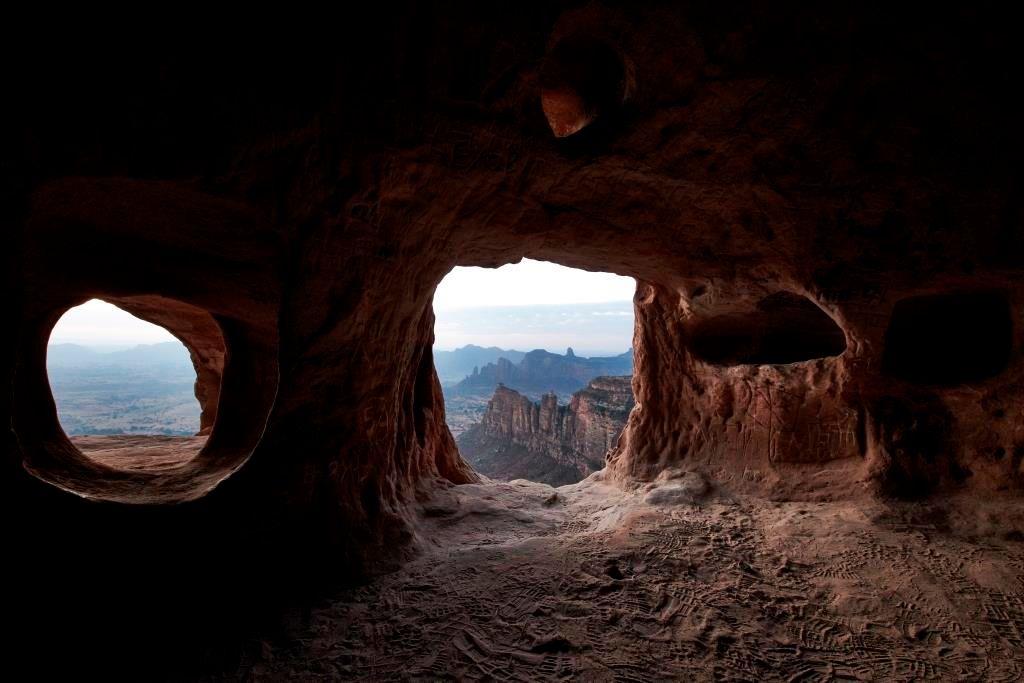
Gheralta: Land of Cliff Churches
Gheralta is a dramatic highland landscape in Tigray, known for its sandstone cliffs, rugged mountains, and ancient rock-hewn churches built into the surrounding escarpments. The area combines distinctive natural scenery with Ethiopia's long Christian heritage, with several churches reached by steep climbs and narrow mountain paths. Beyond its historic churches, Gheralta offers opportunities for hiking, rock climbing, photography, and exploring rural landscapes and communities. For travelers interested in Ethiopia's architecture, history, religion, and mountain scenery, Gheralta offers a quieter and more adventurous experience.
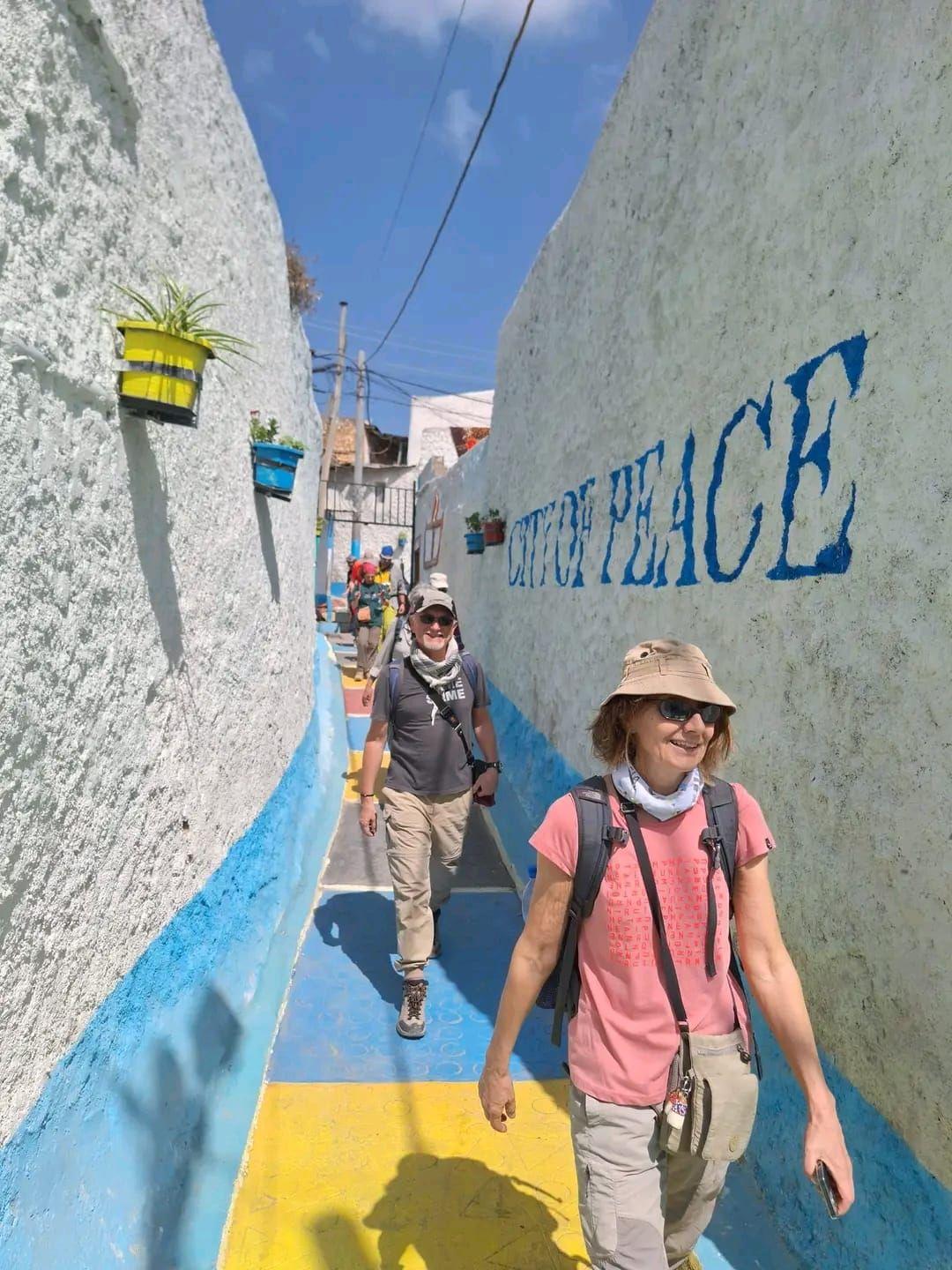
Harar Jugol: The Walled City
Harar is a vibrant, labyrinthine city that offers a complete shift in culture. Packed with 99 historic mosques within just one square kilometer, it is widely considered the fourth holiest city in Islam.

Lalibela – The Living Rock Churches
Carved directly into solid volcanic rock in the 12th century, Lalibela is one of Ethiopia’s most extraordinary spiritual landscapes. Its monolithic churches, hidden courtyards, and sacred tunnels form a living place of worship that continues to inspire pilgrims and travelers alike.
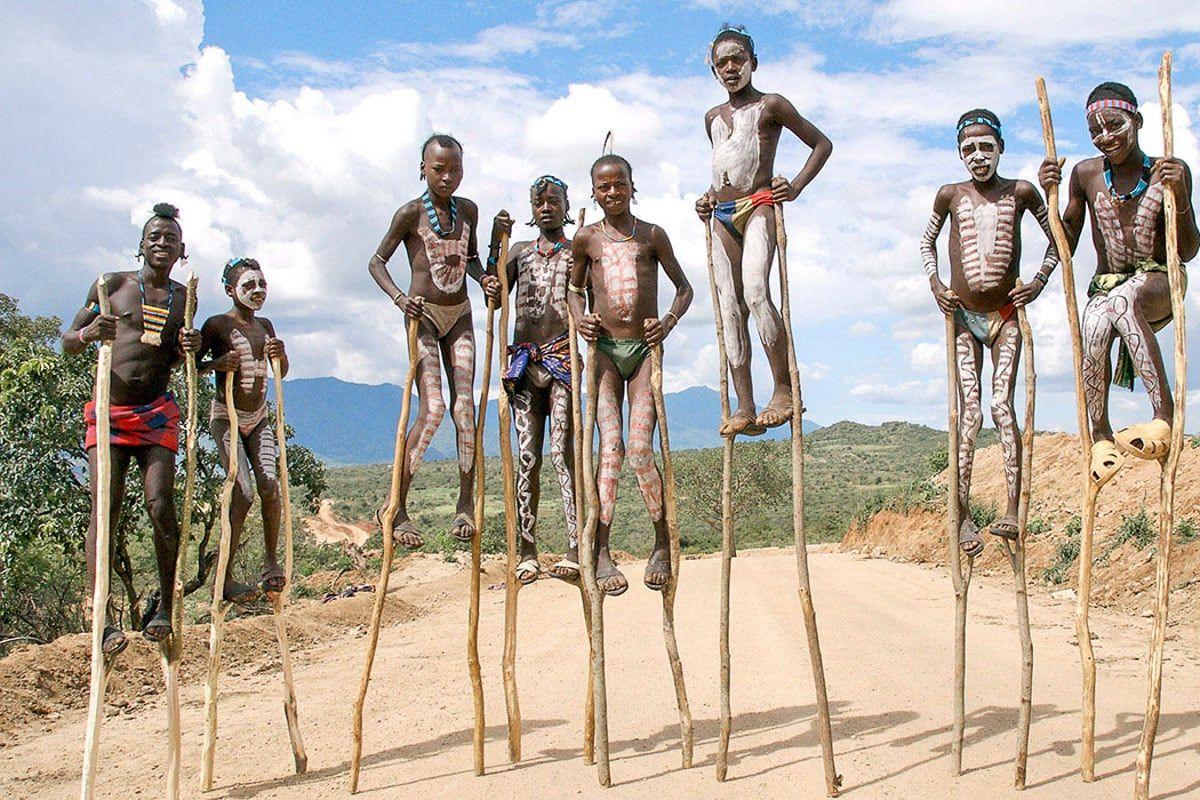
Omo Valley: Living Cultural Heritage
The Omo Valley in southwestern Ethiopia is a region of remarkable cultural diversity, dramatic landscapes, and deep archaeological significance. The Lower Valley of the Omo is a UNESCO World Heritage Site known for fossil discoveries that have contributed greatly to the study of human evolution. Across the wider region, diverse communities maintain distinctive languages, traditions, farming practices, ceremonies, and ways of life shaped by the Omo River and surrounding environment. A journey through the Omo Valley offers opportunities to explore its landscapes, learn about its cultural heritage, and experience communities and traditions that remain closely connected to the region.
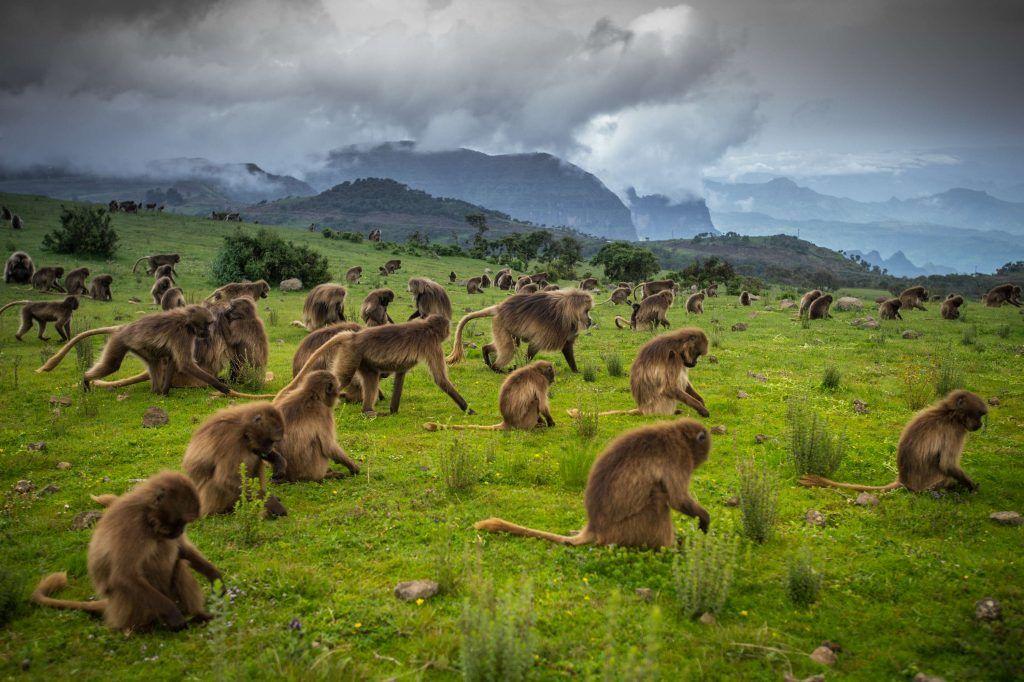
Simien Mountains: Roof of Africa
The Simien Mountains are known for their dramatic escarpments, deep valleys, rugged peaks, and highland landscapes shaped by millions of years of erosion. At the heart of this landscape is Simien National Park, a UNESCO World Heritage Site and an important refuge for Ethiopia's highland wildlife. The mountains are home to the endemic Walia ibex and Gelada, as well as the Ethiopian wolf. With spectacular viewpoints, high-altitude trails, and distinctive Afro-alpine landscapes, Simien offers opportunities for hiking, wildlife watching, and experiencing one of Ethiopia's most remarkable mountain environments.

The Danakil Depression & Dallol
If you have ever wanted to step onto another planet, the Danakil Depression is your ticket. Sitting more than 100 meters below sea level, it is one of the lowest, hottest, and most surreal geological formations on Earth. Part of the Great Rift Valley, this tectonic junction is slowly pulling apart. For centuries, it has served as the historic "salt bowl" of East Africa.

