Walk through the rock-hewn churches of Lalibela
Eleven medieval churches carved down into solid volcanic rock in the 12th and 13th centuries, and still used for daily worship. Arrive at dawn to hear priests chanting in Ge’ez.
Lalibela, Amhara

Plan your trip to Ethiopia, from the rock-hewn churches of Lalibela and the peaks of the Simien Mountains to the Danakil Depression and the coffee ceremony where it all began.
In a single trip you can stand inside a church carved from solid rock, trek with gelada monkeys above 4,000 metres and watch a volcano glow in one of the hottest places on Earth. These are the experiences travellers come home talking about.
Eleven medieval churches carved down into solid volcanic rock in the 12th and 13th centuries, and still used for daily worship. Arrive at dawn to hear priests chanting in Ge’ez.
Lalibela, Amhara
Hike along sheer escarpments in a UNESCO-listed park, home to gelada monkeys, the walia ibex and Ras Dashen, Ethiopia’s highest peak. Treks run from a single day to more than a week.
Simien Mountains National Park
Salt flats worked by camel caravans, the acid-yellow hot springs of Dallol and the Erta Ale volcano: one of the hottest and most otherworldly landscapes on Earth.
Afar
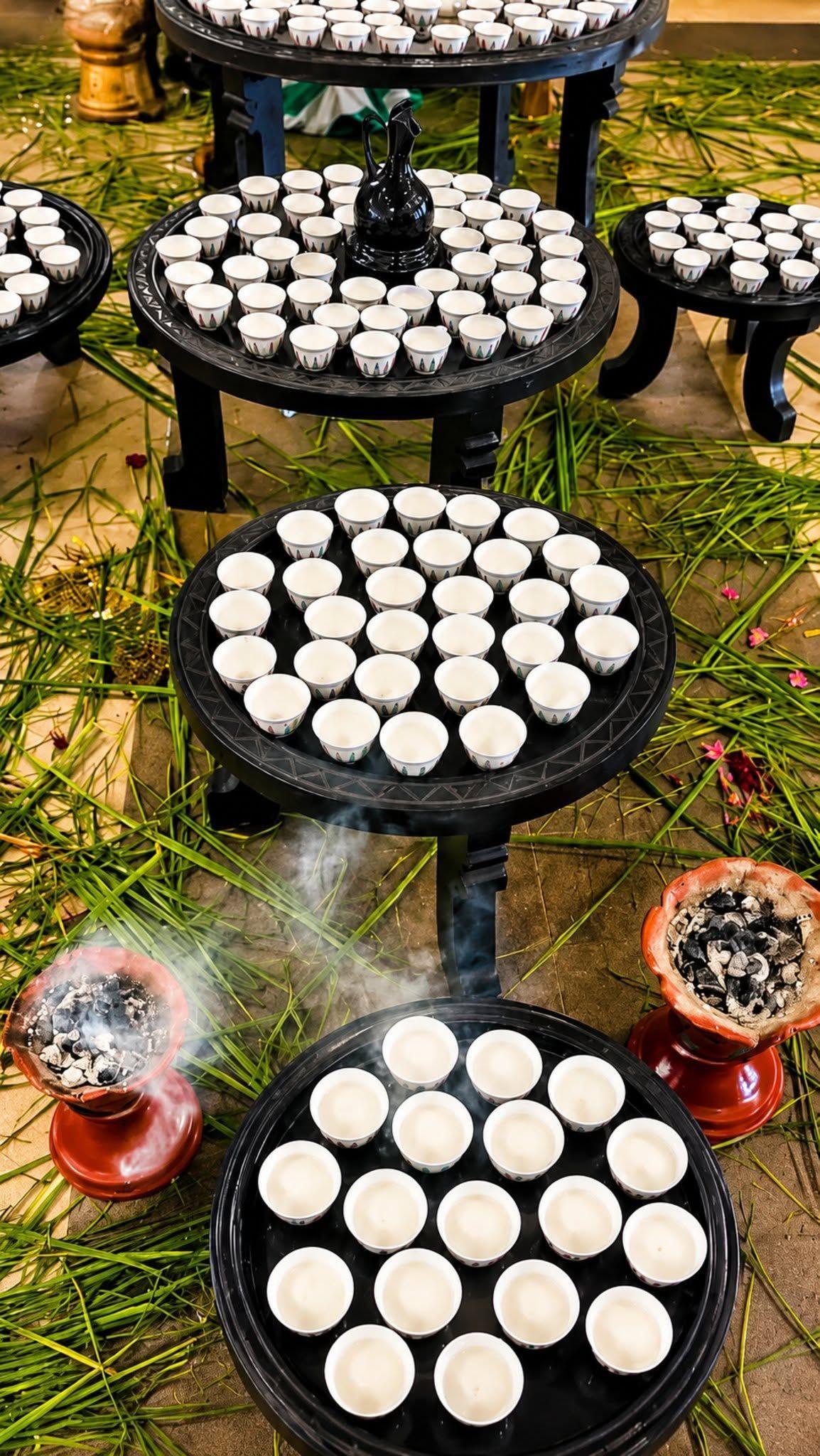
Ethiopia is the birthplace of coffee. In a buna ceremony, green beans are roasted, ground and brewed in a clay jebena, then served in three rounds as a gesture of friendship.
Across Ethiopia
Time your trip for Timkat (Epiphany) in January or Meskel in September, when streets fill with processions, white cotton shemma and centuries-old ritual.
Gondar, Lalibela, Addis Ababa
A UNESCO-listed valley where many distinct communities keep their own languages, markets and traditions. Travel with a local guide and always ask before taking photos.
Lower Omo Valley, South Ethiopia
Tour the royal enclosure of Fasil Ghebbi, take a boat to the island monasteries of Lake Tana, and see the Blue Nile Falls just outside Bahir Dar.
Gondar and Bahir Dar, Amhara
Look for the Ethiopian wolf, the world’s rarest canid, on the Sanetti Plateau, then walk into the Harenna Forest, one of Africa’s largest cloud forests.
Bale Mountains National Park, Oromia
Three proven routes to build your trip around, whether you have a long weekend or two full weeks. Mix and match them, or use them as a starting point with a local tour operator.
 10–12 days
Best for: First-time visitors
Ethiopia’s classic first trip: island monasteries on Lake Tana and the Blue Nile Falls, Gondar’s royal castles, a day in the Simien Mountains, the ancient obelisks of Axum and the rock-hewn churches of Lalibela. Short domestic flights link most stops.
 8–10 days
Best for: Culture and markets
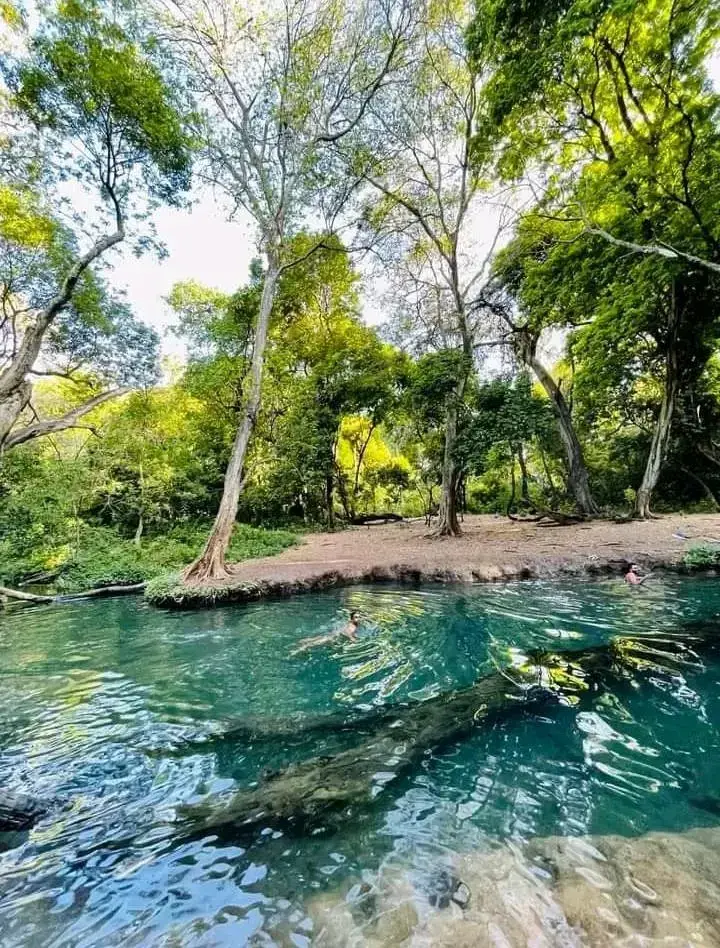
Drive south through the Rift Valley to the forty springs of Arba Minch and the stone-terraced villages of Konso, a UNESCO site, then on to the weekly markets and communities of the Lower Omo Valley with a local guide.
 3–4 days
Best for: Adventure
A guided 4x4 expedition into one of the lowest and hottest places on Earth: salt caravans at Lake Asale, the colourful hot springs of Dallol and a night hike to the rim of the Erta Ale volcano. Travel only with a licensed operator, ideally between November and February.


Ethiopian food is made to be shared. Stews such as doro wat and shiro are served on injera, a soft, tangy flatbread made from teff, and eaten by hand from a common plate. Finish with coffee in the country where it was first discovered.
Orthodox fasting days mean plant-based dishes are on almost every menu.
Beans roasted, ground and brewed in front of you: a ritual of hospitality.
Everything to sort out before you fly: applying for an Ethiopian e-Visa, when to go, staying safe, emergency numbers, SIM and eSIM options, money and local etiquette.
Quick answers to what travellers ask most before a first trip to Ethiopia.
October to March is the best time for most trips, as it is the dry season. The main rains fall from June to September, when some roads and trekking routes are harder going, although the highlands are green and quiet. The Danakil Depression is most bearable between November and February, when temperatures are lowest.
Most visitors need a visa. Tourist e-Visas are issued online through Ethiopia’s official portal, evisa.gov.et, and are best arranged before you fly. Rules differ by nationality and can change, so check the latest requirements before booking.
Allow 10 to 14 days for the classic historic route of Addis Ababa, Bahir Dar, Gondar, Lalibela and Axum. Add four to five days for a Simien Mountains trek, the Danakil Depression or the Omo Valley. Domestic flights with Ethiopian Airlines save many hours of driving.
Ethiopia is famous as the birthplace of coffee and for the rock-hewn churches of Lalibela, the obelisks of Axum and the castles of Gondar. Its landscapes run from the Simien Mountains to the Danakil Depression, it follows its own 13-month calendar, and it is home to more than 80 ethnic groups.
Ethiopia uses the Ethiopian birr (ETB). ATMs and card payments are common in Addis Ababa and larger hotels, but cash is still essential in smaller towns, at markets and for tipping guides.
Most trips along the main tourist routes go smoothly, but security varies by region and can change quickly. Check your government’s current travel advice before you book, and use licensed local guides when travelling to remote areas.