Ashenda
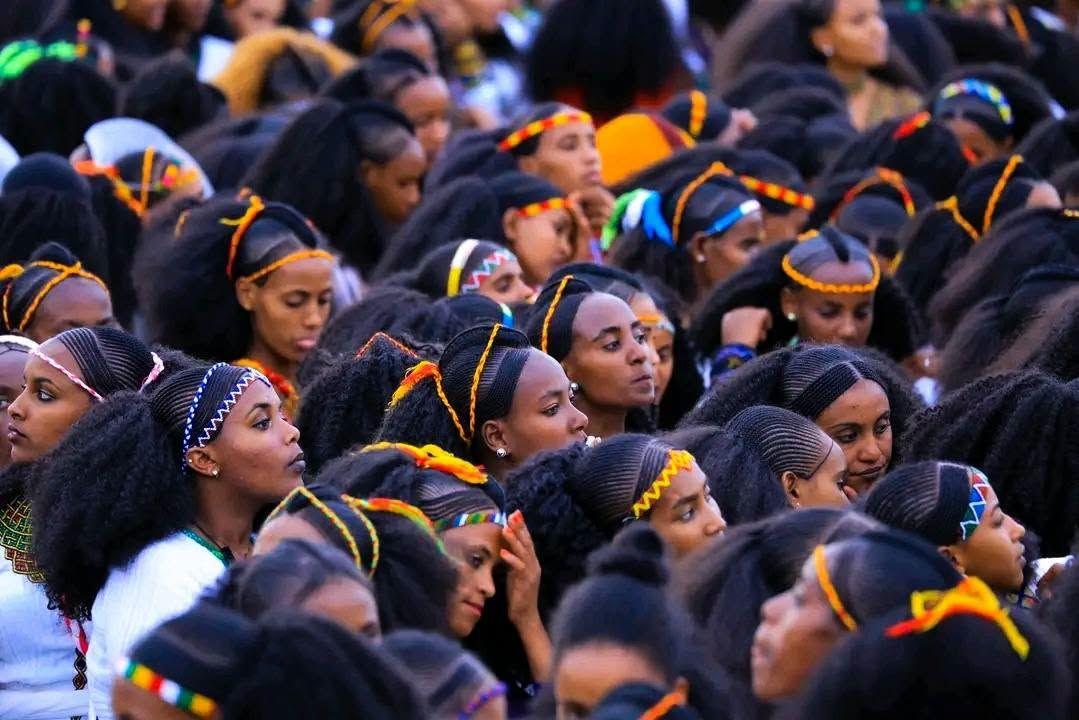
Description
Ashenda is a cultural celebration observed mainly in Tigray, traditionally associated with young women and girls. It takes place around the end of the rainy season and is marked by gatherings, traditional clothing, singing, dancing, and visits among friends, families, and communities. Participants often wear traditional dresses and adorn themselves with jewelry and hairstyles associated with the occasion. Groups of girls and young women may move through neighborhoods singing and dancing, while families and communities come together to celebrate. The celebration can vary from one locality to another, reflecting the diversity of cultural practices within Tigray. For many participants, Ashenda is an important occasion for cultural expression, social connection, and the continuation of traditions across generations. Visitors are welcome to observe celebrations where appropriate, but should remain respectful of local customs and ask permission before photographing people or joining activities.
Do
- Attend public celebrations respectfully.
- Take time to observe the traditional clothing, music, singing, and dancing.
- Dress appropriately when visiting communities or cultural spaces.
- Ask permission before taking close-up photographs of participants.
- Support local artists, craftspeople, and community businesses where possible.
- Respect differences in how Ashenda is celebrated from one community to another.
- Allow participants enough space to gather, perform, and move through public areas.
Don't
- Do not treat participants or their traditional clothing as a spectacle.
- Do not photograph people closely without their permission.
- Do not assume that every Ashenda celebration follows the same customs or program.
- Do not enter private gatherings or homes without invitation.
- Do not make assumptions about the meaning of individual customs based solely on their appearance.
- Do not pressure participants to pose, perform, or interact for photographs.

