A Guide to Eco-Lodges in Ethiopia
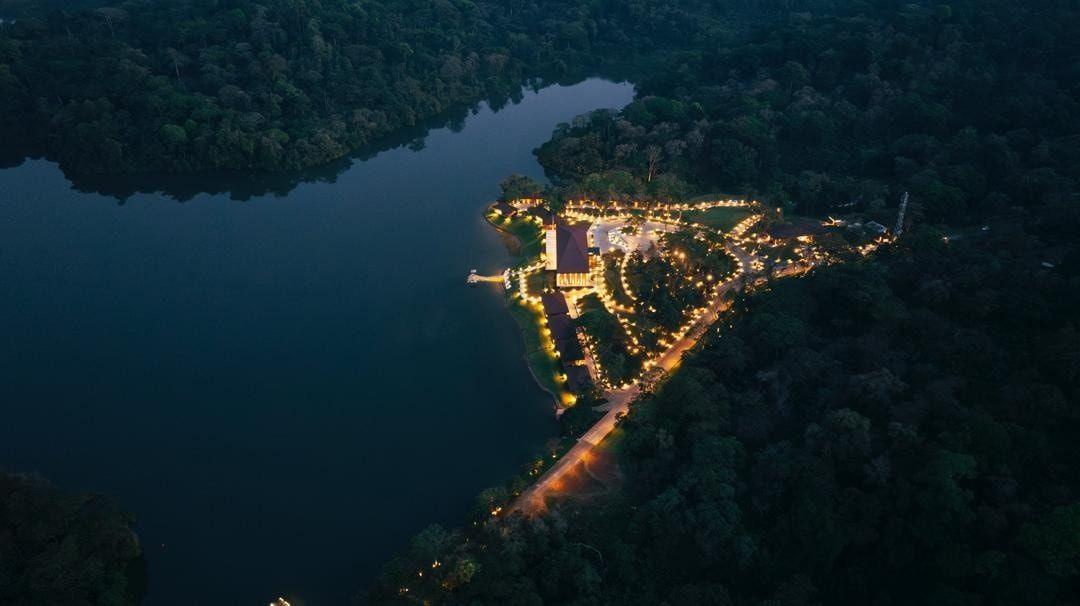
Ethiopia is known for its dramatic highlands, volcanic landscapes, ancient heritage, forests, lakes, and remarkable cultural diversity. In recent years, tourism development has brought greater attention to destinations where accommodation and visitor facilities are built alongside these natural and cultural attractions. Eco-lodges are becoming an important part of how travelers can explore some of these places.
An eco-lodge is accommodation designed around a natural setting, ideally with practices that reduce environmental impact and contribute positively to surrounding communities. However, the term eco-lodge does not automatically mean that a property meets a particular environmental standard. Travelers should look beyond the name to understand how each lodge manages its resources, works with nearby communities, and protects the landscape.
Gebeta Le Hager and Ethiopia’s Tourism Development
Ethiopia’s recent tourism development efforts have placed greater emphasis on creating destinations that combine natural scenery, visitor infrastructure, and accommodation. One of the best-known initiatives is Gebeta Le Hager, commonly associated with the Dine for Ethiopia program, introduced under the government led by Prime Minister Abiy Ahmed.
The initiative has supported the development of major tourism destinations intended to make parts of Ethiopia’s natural and cultural heritage more accessible to visitors. The government expanded this approach through the Dine for Generations initiative, which includes further destination-development projects. These programs are intended to strengthen tourism and create economic opportunities, although their long-term contribution to conservation and local livelihoods depends on how individual destinations are managed.
Eco-Lodges and Nature-Based Stays to Explore
1. Wonchi Eco-Lodge — Oromia
Wonchi Crater Lake is known for its highland scenery, green slopes, volcanic landscape, and lake surrounded by hills.
What to experience: Crater-lake views, hiking, horse riding, boat trips, and local scenery
2. Gorgora Eco-Lodge — Amhara
Gorgora lies on the northern shore of Lake Tana, Ethiopia’s largest lake and the source region of the Blue Nile.
What to experience: Lake views, birdwatching, lakeside relaxation, and excursions around the Lake Tana region.
3. Halala Kella Lodge — Southwestern Ethiopia
Halala Kella is a tourism destination in the Dawro area, associated with the historic Halala Kella defensive wall and the landscapes around the Omo River and Gibe III reservoir. The wider area is known for its history, distinctive local traditions, and scenery.
What to experience: Landscapes, local history, cultural heritage, and exploration of the surrounding area.
4. Chebera Churchura Elephant Paw Lodge — Southwestern Ethiopia
Chebera Churchura National Park is known for its forests, rivers, wildlife habitats, and elephant population. The Elephant Paw Lodge project is associated with efforts to develop tourism facilities near this natural area.
What to experience: Nature-focused stays, wildlife exploration with appropriate local guidance, and the landscapes of southwestern Ethiopia.
5. Bale Mountain Lodge — Oromia
Located in the Bale Mountains region, Bale Mountain Lodge offers access to a highland landscape of forests, mountain scenery, and distinctive wildlife habitats. The wider region is important for species such as the Ethiopian wolf and mountain nyala, although sightings depend on location, season, and conditions.
What to experience: Guided nature walks, birdwatching, forest landscapes, and exploration of the Bale Mountains region.
Why Eco-Lodges Matter for Local Communities
Tourism can create opportunities beyond the accommodation itself. When a lodge purchases food from nearby producers, hires local staff, works with community guides, and promotes local crafts and cultural experiences respectfully, tourism spending can reach more people in the surrounding area.
Nature-based accommodation can also encourage longer stays in destinations that might otherwise receive only short visits. This can benefit guides, drivers, restaurants, craft producers, and other local service providers.
These outcomes are not automatic. They depend on local employment and purchasing practices, fair partnerships, responsible management, and whether communities have a meaningful role in tourism decisions.
What Travelers Should Look for When Choosing an Eco-Lodge
Before booking an eco-lodge in Ethiopia, consider the following:
- Environmental practices: Does the property explain how it manages waste, water, energy, and the surrounding landscape?
- Community involvement: Does it employ local residents, buy local products, or work with community-owned tourism services?
- Location and access: Check road conditions, travel times, seasonal weather, and whether a suitable vehicle or guide is needed.
- Activities: Confirm which activities are available, whether guides are required, and whether fees are included in the stay.
- Comfort and facilities: Ask about electricity, hot water, heating, food options, internet access, and other facilities important to your trip.
- Current information: Confirm operating status, reservations, transport arrangements, and access to nearby attractions before traveling.
Plan Your Ethiopia Trip
Explore Ethiopia’s destinations, nature experiences, and places to stay to plan a journey that connects landscapes, culture, and local experiences.