Best Time to Visit Ethiopia: A Month-by-Month Guide
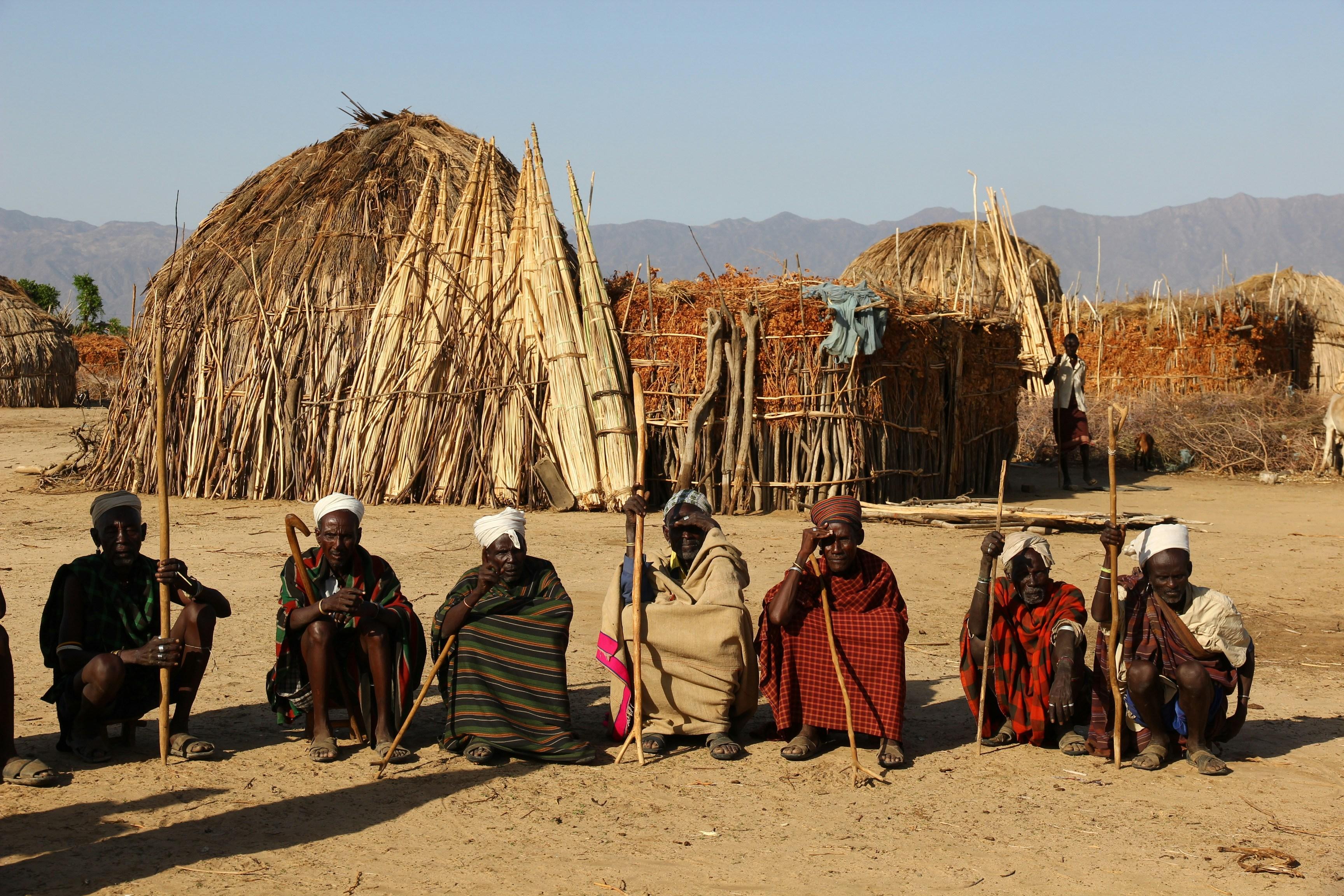
The best time to visit Ethiopia is from October to March. This is the dry season across most of the country: skies are clear, roads are in good shape and the highlands are green after the rains. The main rainy season, called kiremt, runs from June to September and is heaviest in July and August. Within that window, pick your month by what you want to see: January for the Timkat festival, October and November for green landscapes and wildflowers, and December to February for the hot lowlands such as the Omo Valley.
Ethiopia is a country of altitudes as much as seasons. Addis Ababa sits at about 2,355 metres, so it stays mild all year, with daytime temperatures mostly between 15 and 25°C. Drop into the Rift Valley or the eastern lowlands and it is much hotter. That is why the right month depends on where you are going.
Ethiopia's seasons at a glance
Bega (October to February): dry season. Sunny days, cool nights in the highlands, and the best conditions for trekking, road trips and festivals. This is peak season, so book flights, hotels and guides early.
Belg (roughly February to May): short rains. Light, patchy showers, mostly in the afternoon. Travel is still easy in most places, though the south can get its heaviest rain of the year in April and May.
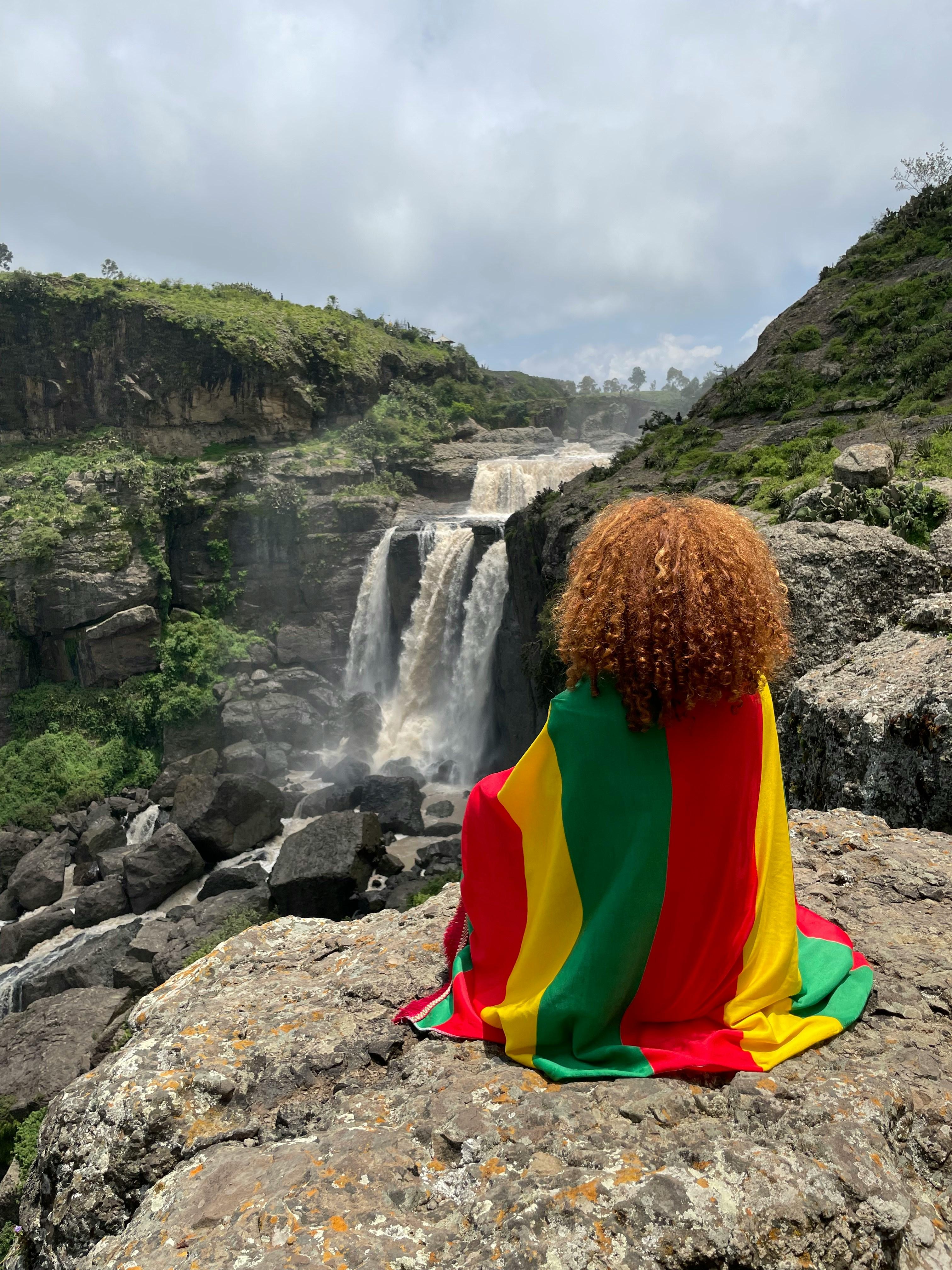
Kiremt (June to September): main rainy season. Heavy, regular rain in the highlands. Some rural roads and trails become muddy or close, and clouds can hide the views. Prices are lower and the countryside is at its greenest.
Month by month
January
The busiest and most festive month. Genna, Ethiopian Christmas, falls on 7 January, and Timkat, Epiphany, on 19 January 2027 (20 January in leap years). Timkat is Ethiopia's most colourful festival: priests carry replicas of the Ark of the Covenant (tabot) to water in all-night processions, followed by blessings and celebration the next morning. In Addis Ababa, the main celebrations gather at Jan Meda. Dry, sunny weather everywhere. Book well ahead.
February
Still dry and bright, with fewer crowds than January. A good month for the hot lowlands, including the Omo Valley and the Rift Valley lakes, before the southern rains. In 2027, the Muslim holy month of Ramadan is expected to begin around 8 February; restaurants in predominantly Muslim areas such as Harar may keep shorter daytime hours.
March
Warm, mostly dry, and the start of the short belg rains in places. Good value before the Easter period. Eid al-Fitr, marking the end of Ramadan, is expected around 9–10 March 2027 (dates depend on the moon sighting).
April
Short rains become more frequent, especially in the south and east. In the south, the long rains usually arrive around now, which can make dirt roads in the Omo Valley hard going. A good month for Addis Ababa and city-based trips.
May
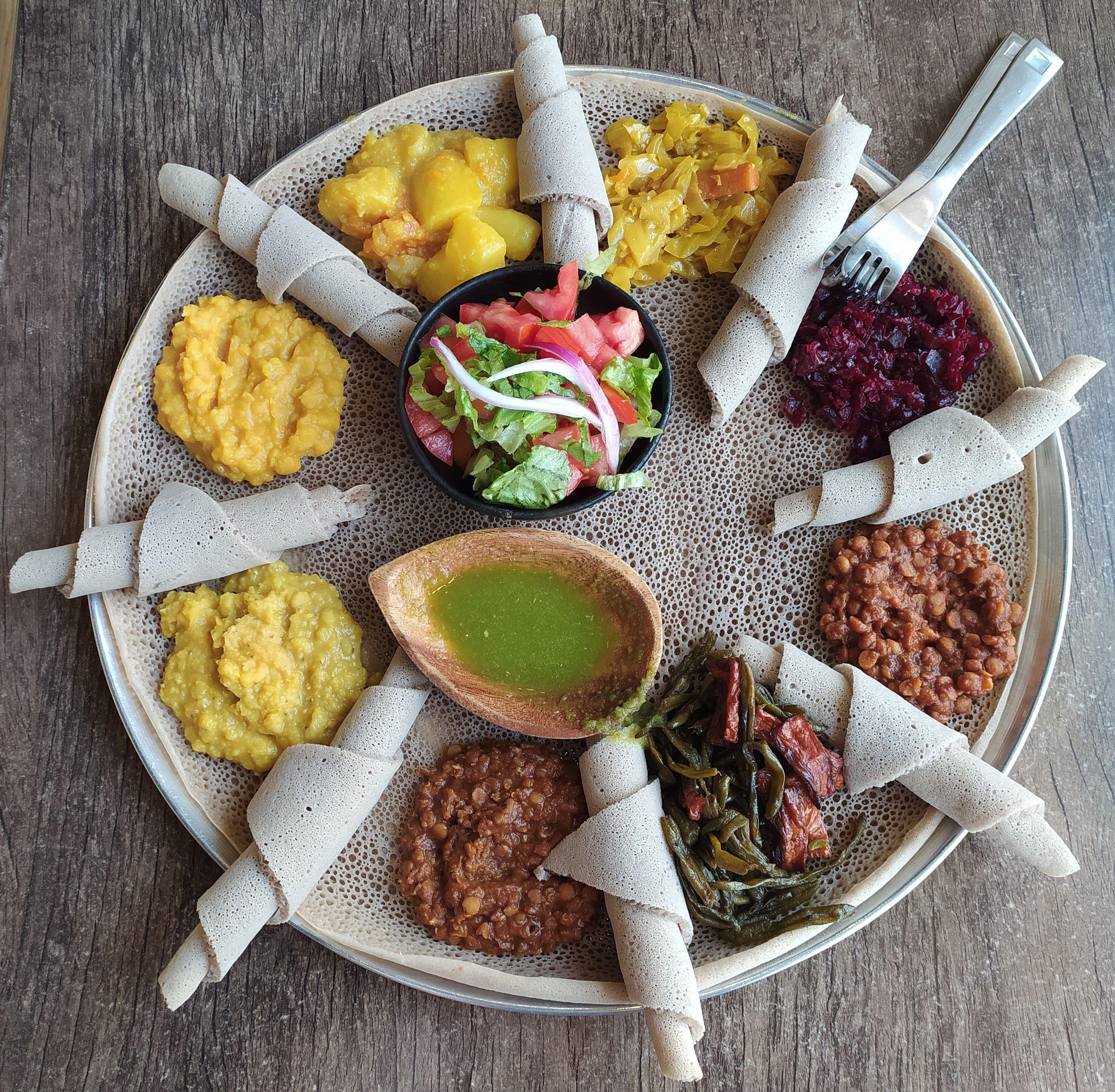
Fasika, Ethiopian Orthodox Easter, is expected on 2 May 2027. It ends the 55-day Lenten fast (Hudade), so Easter Sunday is a day of feasting on meat dishes such as doro wat. In the weeks before Easter, most restaurants serve plenty of fasting food: vegan stews of lentils, chickpeas and vegetables. Our guide to Ethiopian food explains what to order. Warm, with showers.
June
The main rains begin in the highlands. Fewer visitors and lower hotel rates. If you travel now, plan city stays and flexible days rather than long treks.
July and August
The wettest months in the highlands, with heavy rain on most days. Mountain trails can close and views are often clouded over. Travel is still possible, especially in and around Addis Ababa, but this is the least comfortable time for trekking and long road journeys.
September
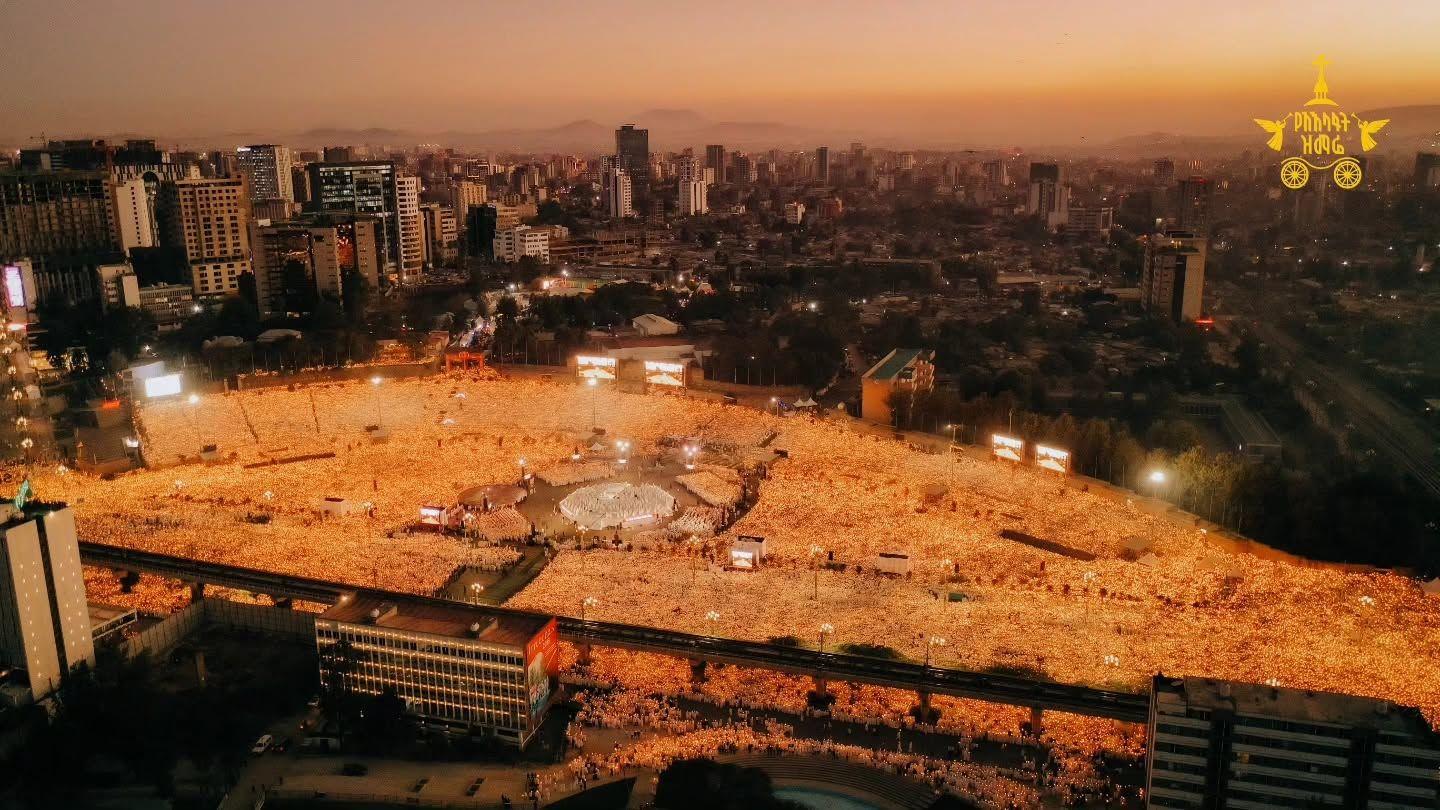
The rains ease and the highlands turn green and gold. The bright yellow Adey Abeba (Meskel daisy) blooms across the hills. Enkutatash, Ethiopian New Year, falls on 12 September 2027 (usually 11 September). Meskel, the Finding of the True Cross, is on 28 September 2027 (usually 27 September). On Meskel eve, crowds gather around a huge bonfire called the Demera; in Addis Ababa it is lit at Meskel Square. Meskel is listed by UNESCO as Intangible Cultural Heritage.
October
Many travellers' favourite month: the dry season begins, the landscapes are still green, and wildflowers cover the highlands. Irreecha, the Oromo thanksgiving festival, takes place in early October, with large gatherings at Hora Arsadi in Bishoftu and in Addis Ababa.
November
Dry, clear and comfortable, with fewer crowds than December and January. An excellent all-round month for sightseeing, photography and birdwatching in the Rift Valley.
December
Dry season in full swing and the run-up to Genna and Timkat. One of the best months for the hot lowlands, when temperatures are at their most bearable. Popular, so book early, especially over the Christmas and New Year holidays.
Best time for each type of trip
Festivals: January (Genna, Timkat) and late September (Enkutatash, Meskel). Early October for Irreecha.
Mountain trekking: October to December, when trails are dry and the highlands are still green. Avoid July and August.
Hot lowlands (Omo Valley, Rift Valley lakes): December to February. Avoid April and May, when the long rains reach the south.
The Danakil Depression: November to February only. From June to August, temperatures stay above 45°C and the area is unsafe to visit.
Birdwatching: November to March, when European migrant birds join Ethiopia's resident species in the Rift Valley.
Lower prices and fewer visitors: June to early September, if you can work around the rain.
Before you book: check current travel advice
At the time of writing (November 2026), the U.S. and UK governments advise against all travel to the Amhara region (which includes Lalibela, Gondar and Bahir Dar) and the Tigray region (including Axum). The U.S. also advises against travel to the Afar region, which includes the Danakil Depression, and the UK advises against all but essential travel there. Some airports in the north, including Axum and Shire, have suspended flights. The situation changes often, and advice for other areas has been updated several times this year.
Before you book, read the latest guidance from your own government, such as GOV.UK foreign travel advice for Ethiopia or the U.S. Embassy in Ethiopia, and ask a licensed local tour operator about conditions on your route. Our Ethiopia travel guide covers visas, money, SIM cards and safety basics.
Frequently asked questions
What is the best month to visit Ethiopia?
January if you want to see Timkat, Ethiopia's biggest festival; October or November for dry weather, green landscapes and fewer crowds. Both are in the October-to-March dry season.
When is the rainy season in Ethiopia?
The main rainy season, kiremt, runs from June to September and is heaviest in July and August. A shorter, lighter rainy season, belg, falls roughly between February and May. In the south, the heaviest rain usually comes in April and May.
Is it worth visiting Ethiopia in the rainy season?
It can be, if your plans are flexible. Hotels are cheaper, there are fewer visitors and the countryside is at its greenest. Expect daily rain in the highlands, some closed rural roads and cloudy mountain views. September is a good compromise: the rains are easing and the Meskel festival takes place at the end of the month.
What is the weather like in Addis Ababa?
Mild all year, thanks to its altitude of about 2,355 metres. Days are usually between 15 and 25°C, and nights can be cool, especially from November to January. Bring a warm layer whatever the month.
When are Timkat and Meskel in 2027?
Timkat is on 19 January 2027 and Meskel on 28 September 2027. Ethiopian Christmas (Genna) is on 7 January 2027, Ethiopian Easter (Fasika) is expected on 2 May 2027, and Ethiopian New Year (Enkutatash) on 12 September 2027. See our events and festivals guide for more.
Why are Ethiopian dates different?
Ethiopia uses its own calendar, which has 13 months and runs about seven to eight years behind the Gregorian calendar. The Ethiopian New Year begins in September, which is why some holidays shift by a day in the year before a Gregorian leap year.